
Battery Replacement Scams in Dubai: How to Protect Yourself with Proper Documentation
Car battery problems often occur at inconvenient times on a hot summer day, in a crowded parking lot or just before an important meeting. In Dubai, mobile battery replacement services promise quick relief, but not all operators are honest. Some mechanics take advantage of desperate drivers by installing poor‑quality batteries, charging inflated prices or replacing batteries that aren’t actually defective. This article explores common battery replacement scams in Dubai and explains how proper documentation and vigilance can protect you.
Common battery replacement scams
1. Selling counterfeit or expired batteries
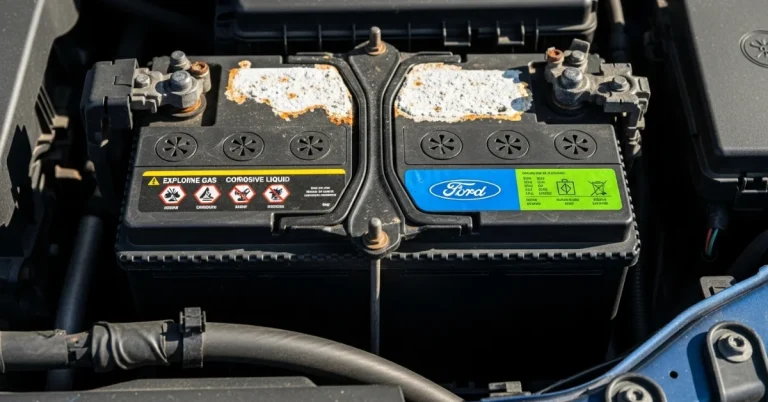
Not all batteries sold in Dubai are genuine. Fraudsters may sell counterfeit products that mimic well‑known brands or batteries that have been sitting in a warehouse for years. These batteries may work initially but fail quickly, leaving you to purchase another one. Counterfeit batteries may have similar branding and even include logos, but subtle differences reveal that they are fakes. Customers often only realise they bought a fake when the battery dies prematurely.
2. Unnecessary replacements
Some mechanics replace a perfectly good battery with a low‑quality one and sell the original for a profit. A blog on PitStop Arabia warns that mechanics sometimes claim that a catalytic converter (another valuable component) is faulty and needs replacement when it is actually functional. This scam illustrates how mechanics can mislead customers about the condition of expensive parts. Similar tactics occur with batteries: a mechanic may test the battery incorrectly or manipulate the results to convince you it is dead.
3. Overcharging for labour and delivery
Mobile battery services often charge a convenience fee. While it’s reasonable to pay for on‑site service, some operators add excessive labour fees, disposal charges or unclear administrative fees. These hidden costs can inflate the final bill by hundreds of dirhams.
4. Not providing warranties or invoices
Legitimate battery suppliers offer warranties often 12 to 24 months and issue invoices. Scammers may refuse to provide proof of purchase or claim that no warranty exists. Without an invoice and warranty card, you have no recourse if the battery fails.
Top 7 Steps on How to avoid scams with proper documentation
1. Research the brand and seller
Before purchasing a battery, search for authorised retailers and check user reviews. Look up images of genuine batteries so you can spot inconsistencies. One of our customers shared his experience at a third party workshop that his “Yuasa” battery was fake because the branding and printing were different from authentic examples. Performing this research before an emergency helps you avoid counterfeit products.
2. Request a battery test and see the results
Ask the mechanic to test your existing battery in front of you. They should use a digital battery tester that shows voltage, cold‑cranking amps and state of health. If the battery passes the test, there’s no need to replace it. If it fails, note the readings for your records.
3. Insist on an itemised invoice
The invoice should list the battery brand, model number, manufacturing date, price, labour charges and VAT. It should also include the seller’s contact information and VAT registration number. A clear invoice protects you if the battery fails and ensures you haven’t been overcharged.
4. Obtain a stamped warranty card
The warranty card must be stamped and dated by the seller. Check the warranty terms, full replacement or pro‑rated and the duration. Store the card with your vehicle documents; you’ll need it if the battery dies prematurely.
5. Check the manufacturing date
Batteries have a date code (usually on the top or side). Choose one manufactured within the past six months. Old stock may have reduced capacity.
6. Keep records of installation and maintenance
Maintain receipts for the battery purchase, installation and any subsequent electrical system checks. As explained in the Hyundai and Meineke guidelines, keeping receipts for all vehicle services protects your warranty. These documents also prove that you followed recommended maintenance, which may be required to claim a warranty.
7. Demand used battery disposal proof
In Dubai, used batteries should be recycled properly. Ask the service provider to document the disposal, which prevents your old battery from being resold as “refurbished.
Additional precautions
- Avoid roadside sellers. Batteries sold on the roadside or through informal channels are more likely to be counterfeit or expired.
- Use established service providers. Choose companies with storefronts, websites, and customer service lines. Check reviews and ask friends for recommendations.
- Don’t rush decisions. A failing battery can be stressful, but take a few minutes to verify the product and price. You can even call other suppliers while the mechanic tests your battery.
Know your battery’s specifications. Know the correct size, capacity and type for your vehicle. This prevents a mechanic from installing an incompatible battery.
Conclusion
Battery replacement scams in Dubai exploit drivers’ urgency and lack of technical knowledge. To protect yourself, research battery brands, insist on proper testing, request detailed invoices and warranties, and keep all documentation. Verifying the authenticity of the battery and the reputation of the seller can save you money and prevent unexpected breakdowns.
For fleets or individuals who manage multiple vehicles, it may be worthwhile to engage an accounting firm in Dubai to oversee vehicle expenses and document warranties. With diligence and paperwork, you can ensure that when you pay for a battery replacement, you receive the quality and service you deserve.